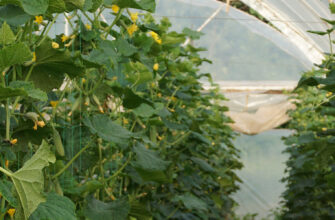
Crop rotation is the practice of alternating vegetable crops in a plot from year to year, helping to maintain soil fertility, reduce weeds, diseases, and pests, and boost yields. In this article, we’ll explore the core principles of crop rotation, examples of crop sequencing, a predecessor chart, timelines for returning crops to the same plot, vegetable compatibility, fascinating facts, allergen information, leading producing countries, EU-approved treatments, and recipes inspired by global culinary traditions. Crop rotation is the cornerstone of a thriving vegetable garden, so let’s dive into how to grow vegetables, preserve soil health, and enjoy delicious dishes!
- Key Principles of Crop Rotation
- Why Crop Rotation Matters for Your Garden
- Predecessor Chart for Optimal Crop Rotation
- Example of a Five-Year Crop Rotation Cycle
- Crop Return Timelines
- Vegetable Compatibility: Best and Worst Neighbors
- Allergen Information
- Leading Producers and EU-Approved Treatments
- Recipes Inspired by Global Traditions
Key Principles of Crop Rotation
Crop rotation for vegetables relies on several fundamental principles to ensure soil and plant health:
- Avoid consecutive planting of crops from the same family. For instance, nightshades (potatoes, tomatoes, peppers) share common diseases like late blight, so they should be rotated with legumes, brassicas, or cucurbits.
- Alternate root systems. Deep-rooted plants like carrots or beets should follow shallow-rooted crops such as lettuce or cabbage to improve soil structure.
- Consider nutrient demands. After nutrient-depleting crops like cabbage or corn, plant less demanding crops like peas or beans to balance soil fertility.
- Weed suppression. Crops that suppress weeds, such as carrots or cabbage, should alternate with those that leave more weeds behind, like potatoes or corn.
- Fascinating Fact: Leguminous crops like peas and beans have a unique ability to fix nitrogen from the air through root-nodule bacteria, making them ideal predecessors for most vegetables.
Why Crop Rotation Matters for Your Garden
Crop rotation for vegetables is more than an agricultural technique—it’s a way to maintain ecological balance in your garden. Here are its key benefits:
- Disease and pest prevention. Continuous planting of one crop accumulates specific pests and diseases. For example, potatoes can encourage wireworm buildup, while rotating with legumes or onions reduces their population.
- Balanced nutrient use. Brassicas like cabbage require significant nitrogen, whereas legumes enrich the soil with nitrogen for subsequent crops.
- Improved soil structure. Root crops like carrots or beets loosen the soil, while green manures (mustard, phacelia) enhance fertility.
- Sustainability. Crop rotation reduces the need for chemical fertilizers and pesticides, promoting organic gardening.
- Fascinating Fact: In Eastern Europe, particularly in Ukraine and Poland, crop rotation has long been used for potatoes and cabbage, ensuring stable yields even without modern fertilizers.
Predecessor Chart for Optimal Crop Rotation
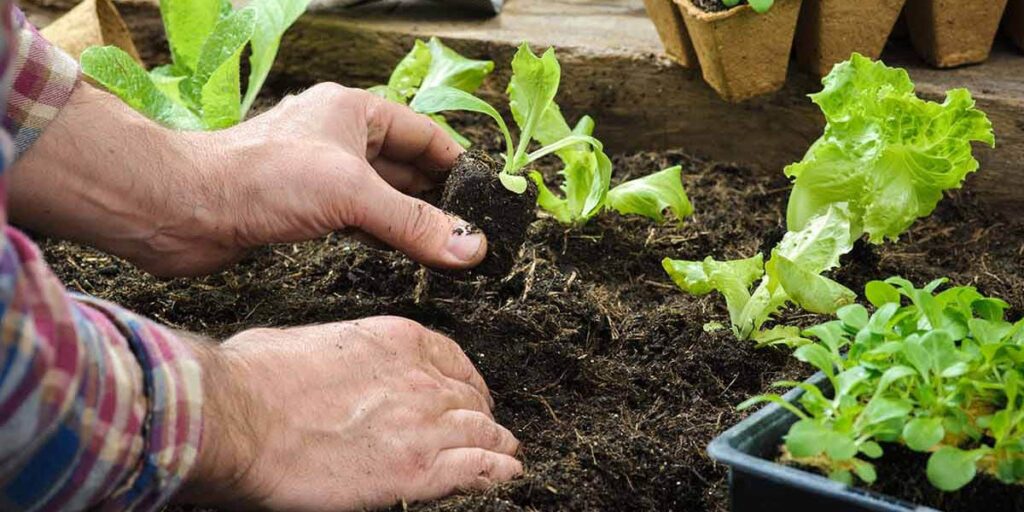
Choosing the right predecessors is the foundation of successful crop rotation for vegetables. Below is a chart outlining the best, acceptable, and unsuitable predecessors for key crops:
| Crop | Best Predecessors | Acceptable Predecessors | Unsuitable Predecessors |
| Cabbage (white, broccoli, cauliflower) | Onions, potatoes, cucurbits, legumes, green manures | Garlic, tomatoes, beets, carrots | All cabbages, radishes, turnips |
| Nightshades (tomatoes, potatoes, peppers) | Cucurbits, onions, legumes, cabbage | Root crops, greens | Nightshades, cabbage with clubroot |
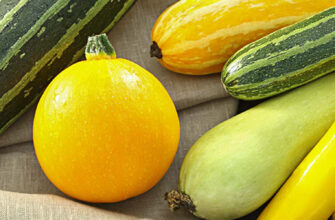
| Cucurbits (cucumbers, zucchini, pumpkins) | Legumes, green manures, cabbage, onions | Root crops, garlic | Cucurbits |
| Root Crops (carrots, beets, parsnips) | Cucurbits, potatoes, cabbage, legumes | Tomatoes, onions | Mustard, beans |
| Onions, Garlic | Potatoes, tomatoes, cucurbits, green manures | Cabbage, root crops | Onions, garlic, sunflowers |
| Legumes (peas, beans) | Potatoes, tomatoes, cucurbits, cabbage | Grains, onions | Legumes, sunflowers |
| Greens (lettuce, spinach) | Green manures, nightshades, cucurbits | Root crops, onions | Cabbage, sunflowers |
Example of a Five-Year Crop Rotation Cycle
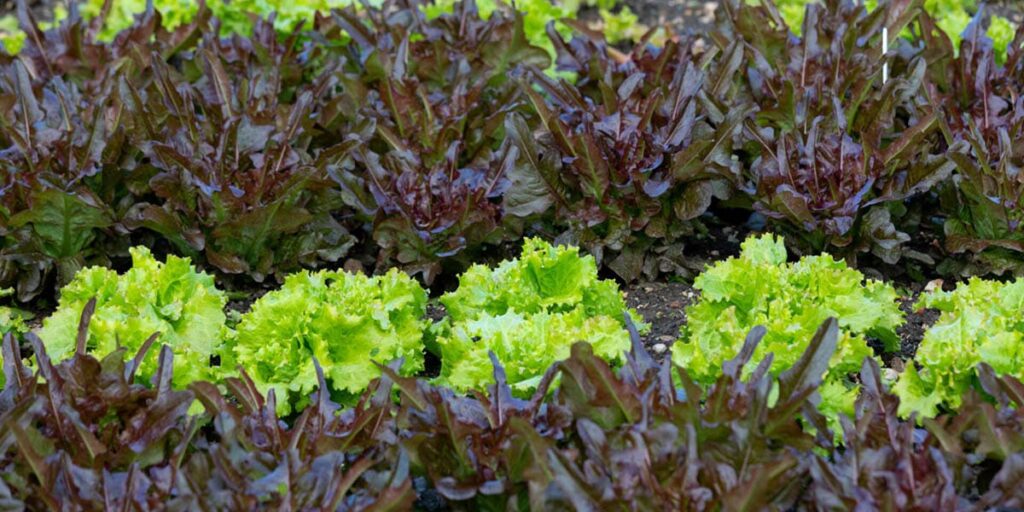
Here’s a sample crop rotation plan for a plot, considering soil and plant needs:
- Year 1: Potatoes (deplete soil but suppress weeds).
- Year 2: Cabbage (requires high nitrogen, thrives after potatoes).
- Year 3: Carrots or beets (deep-rooted, loosen soil).
- Year 4: Peas or beans (enrich soil with nitrogen).
- Year 5: Tomatoes or peppers (utilize accumulated nitrogen).
Fascinating Fact: China, the world’s largest potato producer (about 25% of global production, according to FAO), widely used crop rotation with legumes and green manures to maintain soil fertility.
Crop Return Timelines
To prevent disease buildup and soil depletion, follow these timelines for returning crops to the same plot:
- Cabbage (white, broccoli, cauliflower): 3–4 years to avoid clubroot or bacterial diseases.
- Nightshades (tomatoes, potatoes, peppers): 3–4 years due to late blight risks.
- Legumes (peas, beans): 2–3 years, though they are less demanding.
- Root crops (carrots, beets): 3 years to prevent pest accumulation.
- Onions, garlic: 2 years if the soil isn’t depleted.
- Cucurbits (cucumbers, zucchini): 2–3 years due to fungal disease risks.
- Greens (lettuce, dill): Can be planted annually with proper fertilization.
Vegetable Compatibility: Best and Worst Neighbors
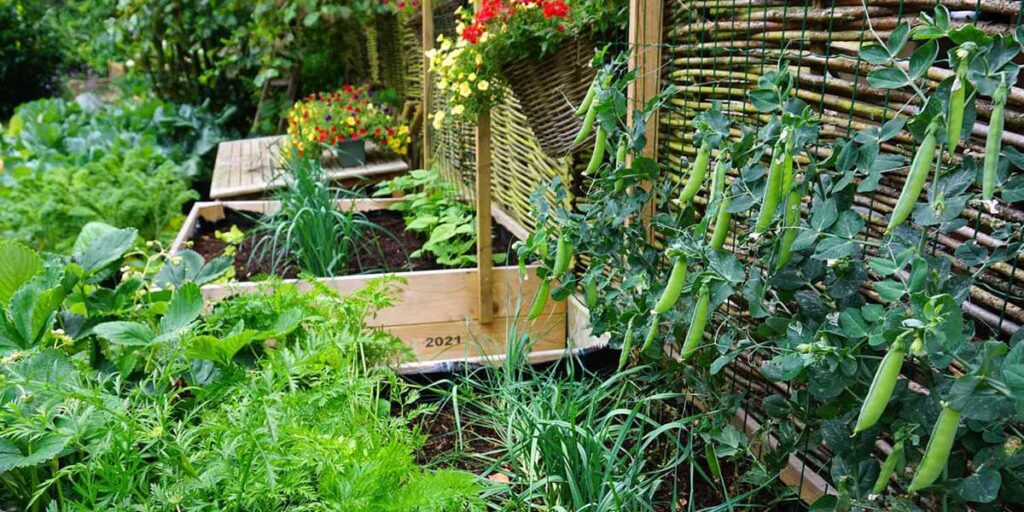
Compatibility in crop rotation and on garden beds is crucial. Examples include:
- Good neighbors:
- Carrots and onions: Onions repel carrot flies, while carrots provide shade for onions.
- Cucumbers and dill: Dill attracts pollinators, boosting cucumber yields.
- Strawberries and garlic: Garlic protects strawberries from pests.
2. Bad neighbors:
- Nightshades (tomatoes, peppers): Avoid planting together to prevent shared diseases.
- Cucumbers and potatoes: Potatoes can suppress cucumber growth.
- Fennel: Grows poorly with most crops.
Fascinating Fact: In Eastern Europe, carrots and onions are often planted together, saving space and reducing pesticide needs.
Additional Tips
- Green Manures: Sow mustard or phacelia in fall after harvest. Mustard suppresses nematodes, while phacelia attracts bees, enhancing pollination.
- Compact Planting: If space is limited, plant radishes between rows of carrots. This saves space, suppresses weeds, and allows for efficient crop rotation in small vegetable gardens.
- Organic Fertilizers: Apply manure or compost in the fall to prepare the soil for the next season, enhancing fertility for vegetable crops like cabbage or potatoes.
- Fascinating Fact: In Japan, green manures like daikon radish are not only used to enrich soil but also harvested as an edible crop, adding versatility to crop rotation practices.
Allergen Information
While most vegetables in crop rotation (e.g., carrots, cabbage, beans) are not common allergens, some considerations apply:
- Nightshades (potatoes, tomatoes, peppers): These can cause reactions in individuals sensitive to solanine, a compound found in these crops. Symptoms may include digestive discomfort or skin irritation.
- Mustard (used as a green manure): Mustard greens or seeds may trigger allergic reactions in some people, such as skin rashes or respiratory issues, particularly in those with pollen allergies. Always consult a healthcare professional if you suspect allergies to specific vegetables, and ensure proper handling during planting and harvesting to avoid skin contact reactions.
Leading Producers and EU-Approved Treatments
- China – Largest Potato Producer: As the world’s top producer of potatoes (approximately 25% of global supply, per FAO data), China relies heavily on crop rotation with legumes and green manures to sustain soil health.
- Eastern Europe’s Role: Countries like Ukraine and Poland are significant producers of cabbage and root crops, using crop rotation to maintain soil fertility and reduce pesticide use.
- EU-Approved Treatments: In the European Union, chemical pesticides and fertilizers are strictly regulated. For example, copper-based fungicides (e.g., Bordeaux mixture) are permitted for organic farming to control late blight in potatoes and tomatoes, but their use is limited to minimize environmental impact. Always check the EU’s pesticide database (e.g., ec.europa.eu/food/plant/pesticides) for approved substances and follow local guidelines for safe application in your vegetable garden.
Recipes Inspired by Global Traditions
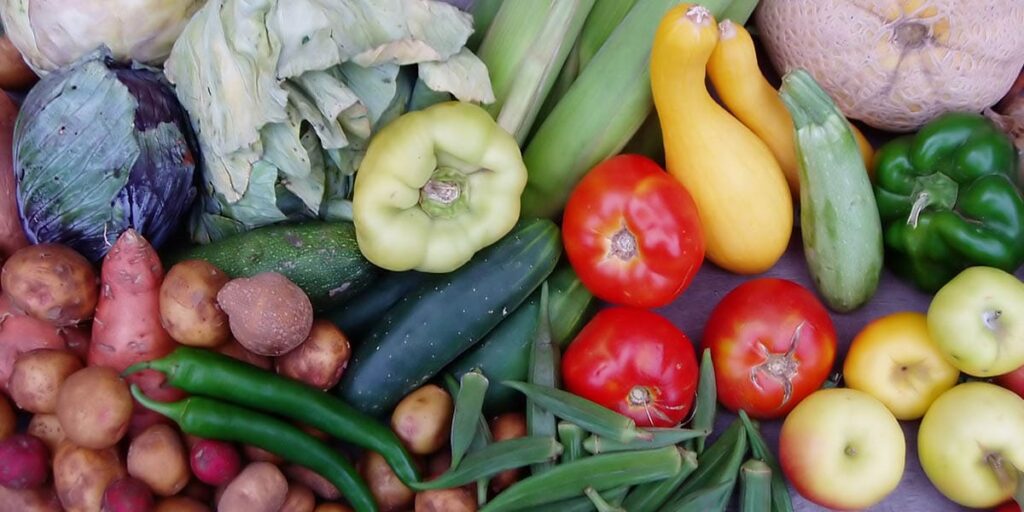
Crop rotation yields a variety of vegetables that shine in global cuisines. Here are two recipes to inspire you:
- Ukrainian Borscht (Eastern Europe): This vibrant beet-based soup, enriched with cabbage and carrots from your crop rotation, is a staple in Eastern Europe. Sauté beets, carrots, and onions, then simmer with cabbage, potatoes, and dill in a vegetable or beef broth. Serve with sour cream for a hearty, nutrient-packed dish.
- Chinese Stir-Fried Green Beans: Using beans from your rotation, stir-fry with garlic, soy sauce, and sesame oil for a quick, flavorful dish. Add chili for a spicy kick, reflecting China’s bold culinary traditions.
Fascinating Fact: Beets, a common crop in rotation, are rich in antioxidants and have been used in Eastern European cuisine for centuries, not only in soups but also in salads and pickled dishes.
Conclusion
Crop rotation for vegetables is a powerful strategy for growing healthy plants, preserving soil fertility, and minimizing chemical inputs. By carefully alternating crops, choosing compatible neighbors, and incorporating green manures, you can achieve bountiful harvests and maintain an eco-friendly vegetable garden. Whether you’re growing carrots, cabbage, or beans, these practices ensure long-term success. Try incorporating our tips, experiment with global recipes, and watch your garden thrive!
What crops do you grow in your vegetable garden? Have you tried crop rotation with green manures? Share your experiences in the comments, subscribe to our resource for more practical gardening tips, and repost this article to spread the knowledge with friends!
If you have found a spelling error, please, notify us by selecting that text and pressing Ctrl+Enter.