Mint is one of the most popular herbs used in cooking, cosmetics, and pharmacology. Mint leaves are added to teas, cold drinks, salads, meat and vegetable dishes, and even desserts.
Mint essential oil is used in medicines for digestive issues, sore throat lozenges, and cough syrups. It’s also found in toothpaste, mouthwash, lotions, and more.
Let’s explore how to grow and store mint at home.
Plant Description
In Latin, mint is called Mentha. It belongs to the Lamiaceae (mint) family and has many varieties.
A fun fact: According to legend, mint got its name from the nymph Minthe, the lover of Hades, the god of the underworld. His wife, Persephone, turned Minthe into a fragrant herb out of jealousy.
Mint is a perennial herbaceous plant that thrives in summer, although some varieties tolerate temperatures as low as –6°C. It grows best in shade or partial shade, and although it can withstand the sun, direct sunlight should be avoided.
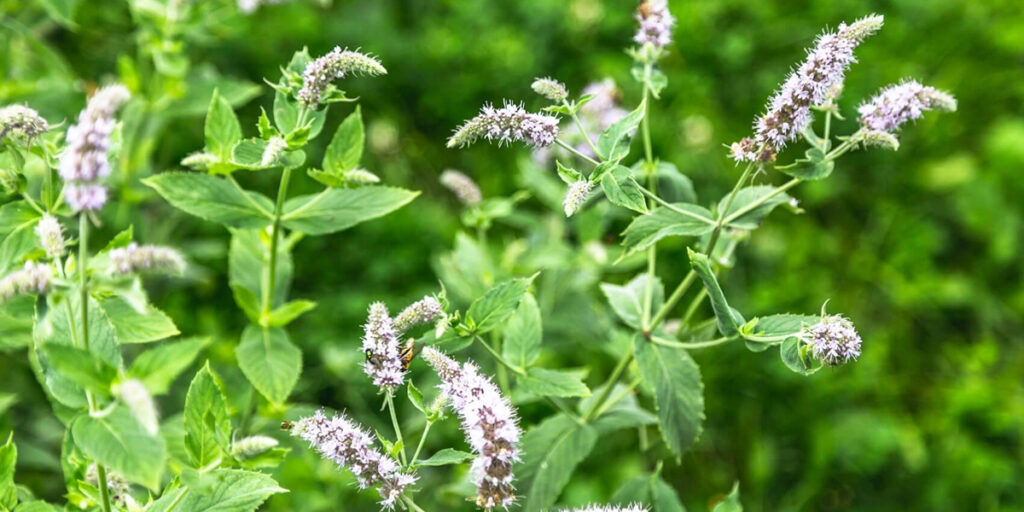
Depending on the variety, mint can reach heights from 30 to 100 cm. Its flowers form in whorls and range from white to pale lilac or purple. The dark green, wrinkled leaves vary from round to oval shapes with pointed tips. Mint fruits are small dark brown nutlets about 0.75 mm long, encased in a calyx.
Blooming lasts from mid-summer to early autumn. The plant roots easily and tends to spread like a weed — a feature to consider (more on that below).
There are about 100 known species of mint, although only 40 have been well studied. They differ in size, leaf shape, aroma, habitat, and more. (You can read more in the article “Types of Mint”)
Planting Mint
Soil Preparation for Growing Mint
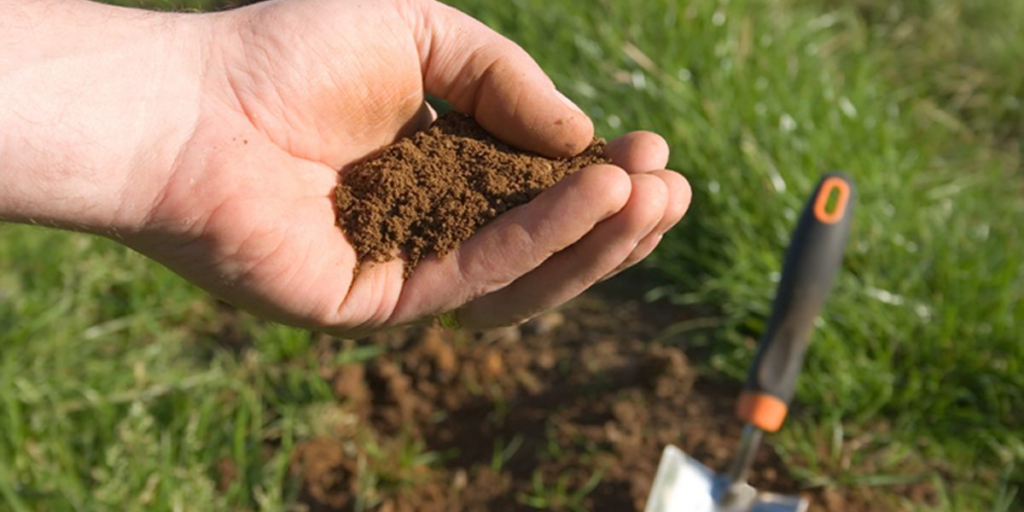
Mint grows best in loose, fertile soil with a pH between 6.0 and 7.0. It can also tolerate limestone-based soils, but the leaves may be less aromatic and sweet.
Avoid heavy clay soils that retain water — these can cause diseases and root rot. If your garden has poorly draining soil, it’s better to grow mint in containers or raised beds to improve evaporation and drainage.
Before planting, clear the area of weeds and plant debris, and apply fertilizer. Mint responds well to both mineral and organic fertilizers. However, using too much compost or well-rotted manure may make the plant more susceptible to rust.
Growing Mint from Seedlings
Mint can be grown from seedlings or by direct sowing. For seedlings, sow seeds indoors in spring, about 3–4 weeks before the last frost. Use trays, pots, or seedling cells filled with light peat soil. Sow seeds 0.5–1 cm deep, cover with peat, water gently, and cover with film or glass. Keep them at +21 to +24°C.
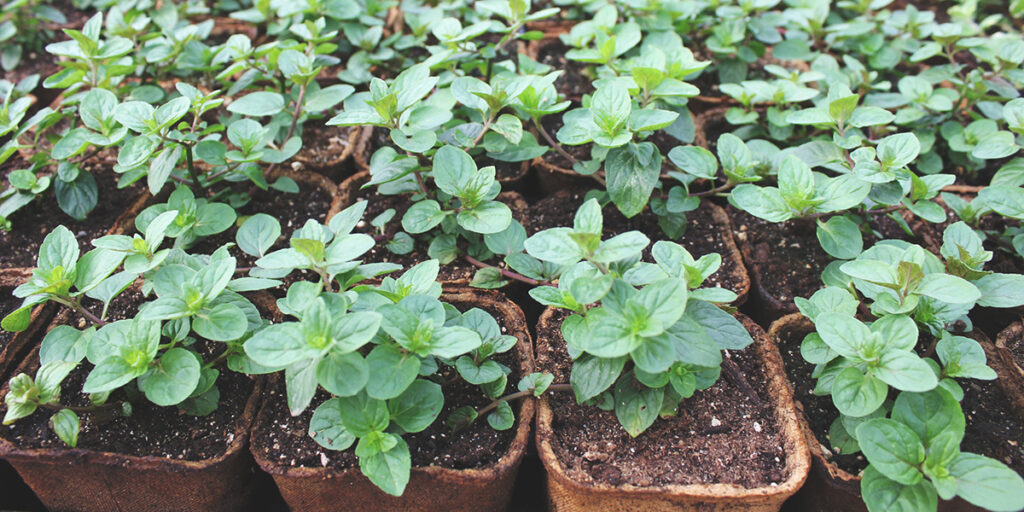
Mint germinates slowly and needs supplemental light for even growth. If natural light is insufficient, use grow lights or fluorescent lamps once seedlings appear.
Water regularly as the soil dries. After the last spring frost, transplant seedlings outdoors.
Direct Sowing into the Ground
You can also sow mint directly into the soil in mid to late April, once frost danger has passed. Sow seeds 0.5–1 cm deep in loose, weed-free soil.
For the best germination, sow two seeds per hole, spacing plants 30–45 cm apart — mint spreads quickly and needs room.
Mint grows well near asparagus, carrots, celery, cucumbers, onions, parsley, peppers, and tomatoes. Avoid planting it near other aromatic herbs, as mint can suppress their growth.
To prevent mint from invading other parts of your garden, grow it in outdoor containers or pots. Use trays beneath the pots — mint can spread even through drainage holes.
Mint Plant Care Tips
Mint is easy to grow but requires attention to a few details:
- Watering: Mint loves moisture. Water regularly depending on weather and soil moisture.
- Feeding: Apply balanced fertilizers 2–3 times during the growing season. In fall, mulch with compost or rotted manure.
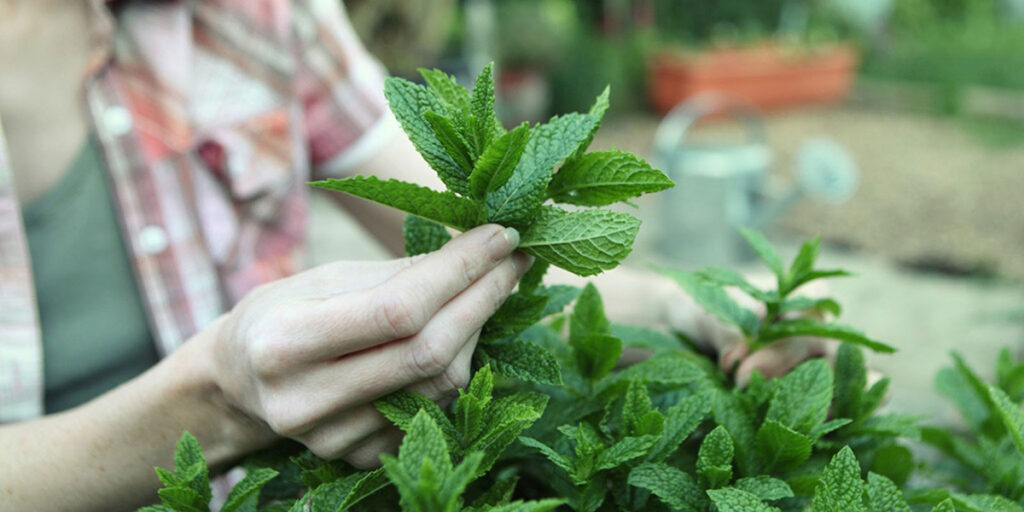
- Pruning: Regularly prune to encourage bushy growth. Remove woody stems and pinch off top shoots to delay flowering — after flowering, essential oil content decreases.
- Flower control: Removing flowers prevents cross-pollination between varieties.
- Mid-summer cutback: Cut stems to 5–7 cm above ground to encourage regrowth for a second harvest.
- Soil care: Loosen soil often to improve air exchange in the roots and prevent disease.
- Repotting: Even though mint is perennial, repot it every 2–3 years indoors. In containers, mint is often grown as an annual.
Use containers at least 20–25 cm deep. Mint can be grown from seeds, seedlings, or cuttings.
Before winter, cut mint to ground level and cover with mulch (film, fabric, sawdust, or peat) to protect roots from freezing.
Pests and Diseases of Mint
Common mint pests include:
- Aphids
- Mealybugs
- Spider mites
Try removing them with a strong stream of water first. If that fails, use an appropriate insecticide.
Mint is also prone to:
- Verticillium wilt
- Powdery mildew
- Rust
To prevent fungal diseases, avoid surface watering, which creates a humid environment ideal for pathogens. At the end of the season, remove dead or diseased stems and leaves, and consider relocating the roots to a new site for the next season.
Mint Propagation Methods
Mint can be propagated by:
- Seeds – as described earlier.
- Cuttings – Take 5–7 cm cuttings, plant in moist soil or water, and keep in a sunny spot until roots form.
- Division – Split a mature plant along with its root ball using a sharp tool and replant the halves in new spots with ample watering.
- Layering – Bury a stem node in soil; once roots form, separate and replant.
Division and layering are effective from spring through autumn.
Harvesting Mint
Mint leaves and stems can be harvested as needed throughout the season. However, the sweetest leaves are those picked before flowering. To preserve flavor:
- Cut flower buds before they open.
- Use scissors or garden shears to harvest stems.
- To collect only leaves, pinch them off by hand.
- For drying, cut stems 7–10 cm above the ground.
Storing Mint
Short-term (fresh):
Wrap fresh mint in a damp paper towel and store in a perforated plastic bag in the fridge. It will stay fresh for 2–3 days.
Drying:
Hang whole stems upside down in a warm, shaded area. After 2–5 days, remove the leaves and store them in an airtight jar. Dried mint retains its flavor all winter.
Freezing:
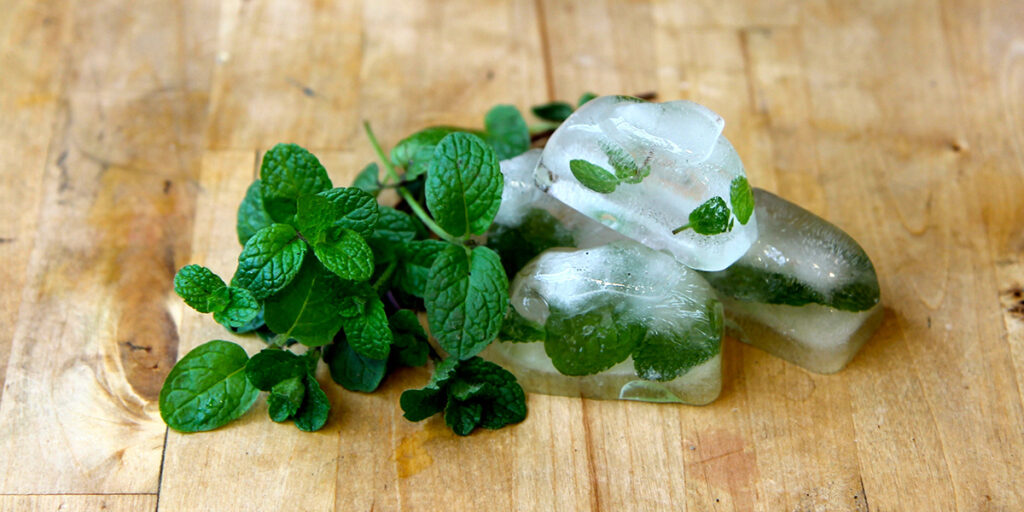
Freeze mint in zip bags or ice cube trays. Wash and dry the leaves first, then portion them. Frozen mint is great for cold drinks or hot tea.
Conclusion
Mint is a low-maintenance plant that offers a rich harvest of fragrant leaves. With timely planting, pruning, and care, it will thrive and reward you season after season.
If you have found a spelling error, please, notify us by selecting that text and pressing Ctrl+Enter.