
Pattypan squash (Cucurbita pepo var. clypeata), also known as scallop squash, is a delightful and versatile vegetable that deserves a spot in every garden, especially for those who enjoy zucchini or summer squash.
With its tender, mild flavor and higher nutrient content compared to other squash varieties, pattypan is a culinary gem and a fun addition to any garden. Its quirky, flying-saucer-like shape can spark children’s interest, encouraging them to eat more vegetables. Originating from Central America, pattypan squash is now grown worldwide, with Ukraine being one of its leading producers.
What is Pattypan Squash?
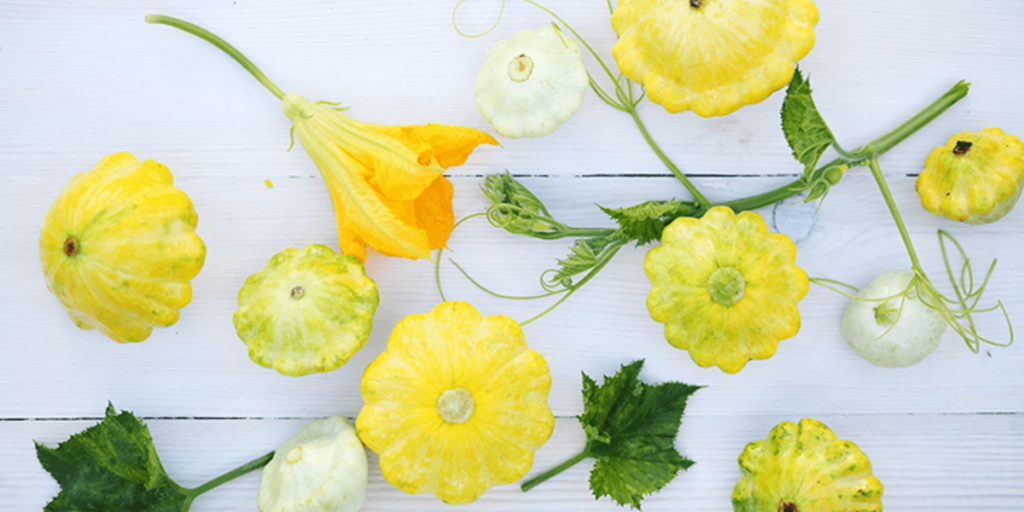
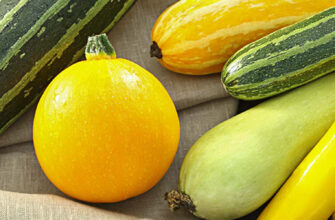
Pattypan squash is an annual herbaceous plant from the Cucurbitaceae family, a variety of common squash. Its name derives from the French word pâté (meaning “pie”), reflecting its flat, scalloped shape resembling a toy top or flying saucer. Available in yellow, green, white, or multicolored varieties, young pattypans (10–12 cm in diameter) have a delicate flavor reminiscent of asparagus or artichokes. They can be boiled, fried, baked, pickled, or frozen. Mature fruits (up to 30 cm) are typically used as animal feed.
Rich in magnesium, niacin, and vitamins A and C, a single pattypan contains only 20–30 calories and no fat, with high fiber content making it an ideal dietary food.
Fun fact: Orange pattypans contain four times more lutein than other varieties, aiding in cholesterol reduction, preventing blood clots, boosting immunity, and improving vision, especially for older adults.
Origin of Pattypan Squash
Pattypan squash hails from Central America, particularly Mexico, where indigenous peoples cultivated it thousands of years before European contact. Archaeological evidence confirms its domestication alongside other squashes. In the 16th century, Spanish explorers brought pattypan to Europe, from where it spread globally.
Leading Producers
Ukraine is a top producer of pattypan squash, thanks to its fertile soils and favorable climate. In 2020, Ukraine’s production of squash and other cucurbits contributed to an agricultural market value of $21.4 billion. Other leading countries include the United States, China, and India, where pattypans are grown for both domestic markets and export.
Countries Where Pattypan Squash is Rarely Consumed
While pattypan squash is popular in many regions, it is rarely eaten in some Asian countries like Japan and China, where traditional vegetables such as daikon or pak choi are preferred. In these regions, pattypans are primarily grown for ornamental purposes or export.
Growing Pattypan Squash
Site Selection
Choose a sunny, wind-protected site with light, fertile soil and a neutral pH (6.0–7.0). Ideal preceding crops include cabbage, potatoes, tomatoes, or legumes. Avoid planting after other cucurbits (cucumbers, zucchini) for 3–4 years to prevent disease buildup.
In autumn, prepare the soil by adding 5–6 kg of compost or manure per square meter during deep digging. In spring, loosen the soil and apply 40–50 g of nitroammophoska per square meter. In the EU, nitroammophoska and ammonium sulfate may be restricted due to high nitrate content; opt for certified organic fertilizers like Humic Total or Biofert to comply with organic farming standards.
Sowing
Pattypan squash is a heat-loving crop, so sow seeds in open ground in late May when the soil temperature at a depth of 8–10 cm reaches +15°C. Plant dry seeds (without soaking) at a depth of 5–6 cm, placing 1–2 seeds per hole. Use a spacing of 50×50 cm or 50×70 cm. Water generously after sowing and mulch with straw to retain moisture.
Growing Seedlings
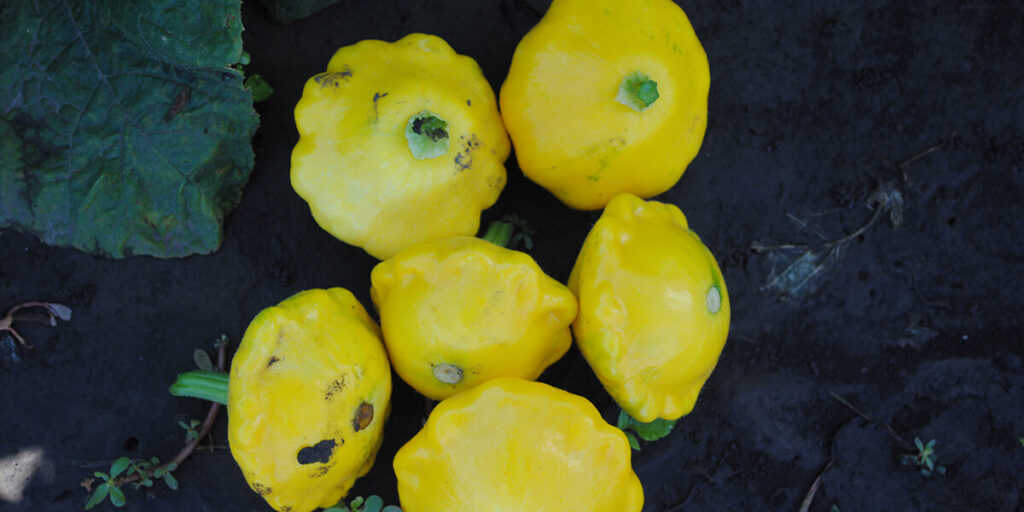
For an early harvest, grow pattypan squash from seedlings. Sow seeds from late April to early May in trays, pots, or cassettes filled with light peat at a depth of 3–4 cm. Place in a warm location and water regularly, avoiding overwatering to prevent black leg disease.
Seedlings are ready for transplanting after 20–25 days, once they have 2–3 true leaves and a strong root system. Transplant on cloudy days or in the evening, preserving the root ball and planting up to the cotyledon leaves. Water thoroughly and mulch.
Watering Pattypan Squash
Pattypans require frequent and generous watering, especially during active growth and fruit formation. In hot weather, water every other day or daily. Use drip irrigation or furrow watering to avoid wetting leaves and fruits, reducing the risk of fungal diseases like powdery mildew or anthracnose. After watering, loosen the soil between rows and add a 5 cm layer of soil, peat, or compost to encourage adventitious root growth.
Fertilization
On organically rich soils, additional fertilization may not be necessary. Otherwise, apply two feedings: before flowering and at the start of fruiting. Use organic fertilizers like a 1:10 cow manure solution or a 1:20 poultry manure solution.
Alternatively, use a mineral mix: 30 g superphosphate, 25 g ammonium sulfate, and 15 g potassium salt per 10 liters of water, applying 5 liters per plant. In the EU, replace ammonium sulfate with organic fertilizers like Biofert. For disease prevention, treat seeds with EU-approved biopesticides like Fitosporin or Trichoderma.
Harvesting
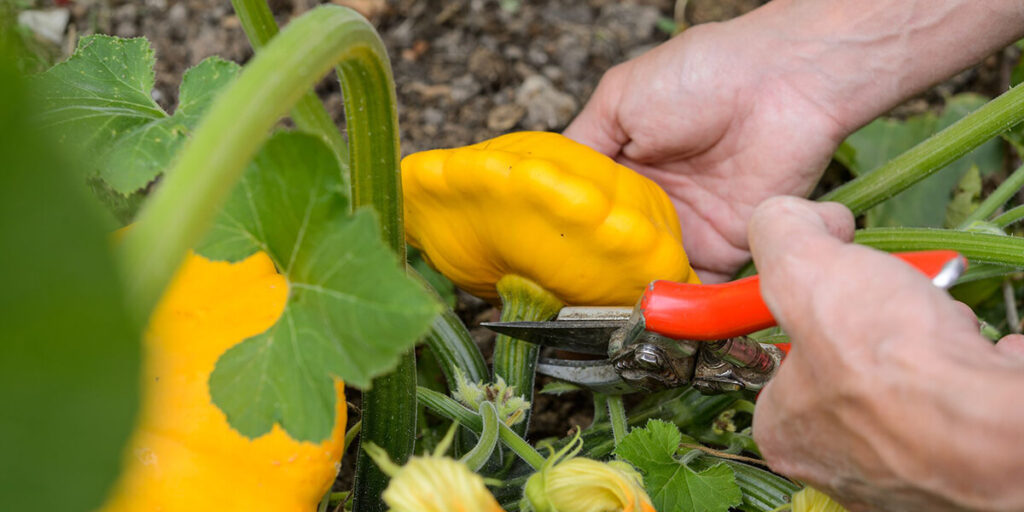
Harvest young pattypans (10–12 cm) every 2–3 days to encourage new fruit formation. Cut with a knife to avoid damaging the plant. Fruiting continues until frost. Store the harvest in a cool, dry place for 2–3 weeks. For seed saving, allow a few fruits to mature to 30 cm, extract the seeds, dry them at +5 to +10°C, and store in airtight containers for up to 6–8 years.
Cultural Context
Pattypan squash is enjoyed worldwide:
- Ukraine: In Vinnytsia, Cherkasy, and Poltava regions, pattypans are added to borscht, stews, or pickled for winter, a traditional practice in Ukrainian cuisine. In the Carpathians, farmers use vermicompost to boost yields of pattypans and other vegetables.
- Eastern Europe: In Poland and Romania, pattypans are pickled or added to vegetable stews like bigos or mamaliga.
- France: Pattypans are baked with cheese, highlighting their delicate flavor, a practice popularized since the 16th century.
- United States: At farmers’ markets, pattypans are grilled or stuffed with herbs like basil or thyme.
Recipes
Ukrainian-Style Pickled Pattypans
- Ingredients: 1 kg young pattypans, 1 L water, 2 tbsp salt, 1 tbsp sugar, 100 ml vinegar, spices (dill, garlic, bay leaf).
- Instructions: Blanch pattypans for 5 minutes, place in sterilized jars, pour hot marinade (water, salt, sugar, vinegar, spices), and seal. Serve in winter with borscht or meat dishes.
Baked Pattypans with Cheese
- Ingredients: 500 g pattypans, 100 g cheese, 2 tbsp sour cream, spices (salt, pepper, thyme).
- Instructions: Slice pattypans into rounds, brush with sour cream, sprinkle with grated cheese and spices, and bake at 180°C for 20 minutes. Serve as a side dish or appetizer.
Fun Facts
- Pattypans were domesticated in Mexico thousands of years ago and brought to Europe by Spanish explorers in the 16th century.
- Orange pattypans contain four times more lutein, beneficial for vision and heart health.
- In the 18th century, French chefs popularized pattypans in Europe, creating stuffed pattypan recipes.
- In Ukraine, pattypan seeds are often saved for replanting, supporting sustainable farming.
- Their unique shape and vibrant colors make pattypans popular as ornamental garden plants.
Allergens
Pattypan squash rarely causes allergies, but individuals sensitive to cucurbits (allergen code: Cuc ma 1) may experience skin rashes or digestive issues. Introduce pattypans gradually and consult a doctor if allergic to squash or zucchini.
Have you grown pattypan squash in your garden? Share your favorite varieties or recipes in the comments! Whether it’s Ukrainian-style pickled pattypans or baked with cheese, tell us about your experience. Subscribe to our blog for more tips on growing vegetables, fruits, herbs, and flowers, and share this article with friends!
If you have found a spelling error, please, notify us by selecting that text and pressing Ctrl+Enter.



Good afternoon. This year, Sweet Dumpling is made from pumpkin seeds. The pumpkin is wattled. One bush turned out to have squash-shaped fruits. Perhaps over-pollination gave this form in the second generation. It remains only to check the taste of ripe fruits (by pumpkin standards).